
Non-Implant Autologous Cartilage Rhinoplasty (Costal Cartilage, Septal Cartilage, Auricular Cartilage)
Korean name: 무보형물·자가연골 코성형, 자가조직 코성형.
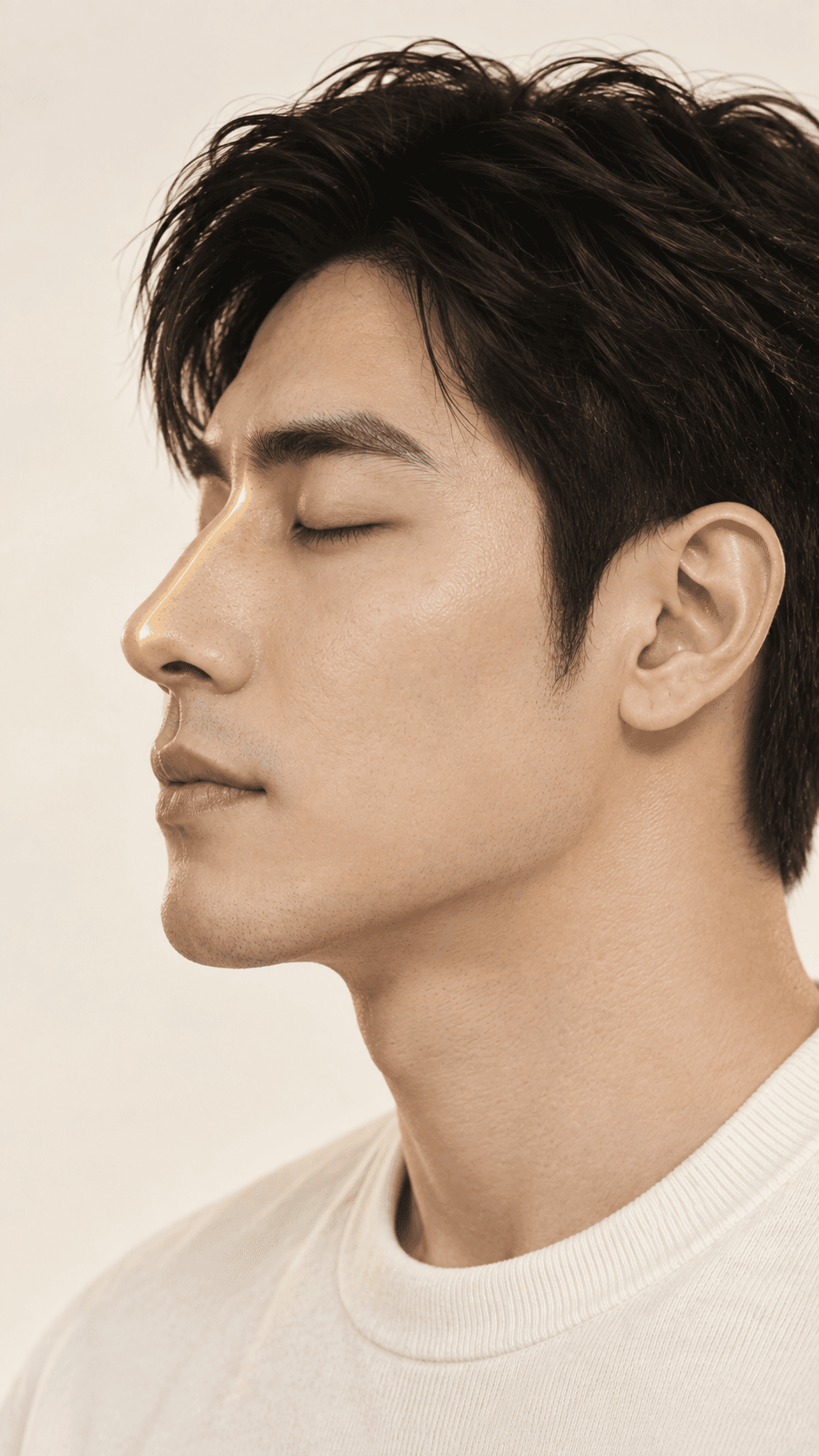
About this procedure
A method that supports the bridge and tip of the nose by harvesting one's own cartilage instead of artificial implants like silicone. Characteristics by harvesting site: Auricular cartilage is elastic and used to refine the tip line (harvested from behind the ear), septal cartilage is the central cartilage inside the nose used for structural support but has limited harvestable quantity, costal cartilage (rib cartilage) is considered for revision surgeries or significant deformities and requires consideration of recovery from the separate harvesting site (near the ribs).
Who it's for
People who want to avoid implant complications (inflammation, contraction, etc.) and those who need significant support for revision surgery.
Effect
Aims for a natural line and structural support, with results varying by individual.
How long results last
Permanent
Downtime
1 week post-op — nasal swelling and bruising + discomfort at the cartilage harvesting site, 1-2 weeks — return to daily activities after splint and stitches removal, final stabilization of the tip, etc. takes 1-6 months.
Stitch removal
1-2 weeks
Swelling timeline
1 week — nasal swelling and bruising occur, 1-2 weeks — splint and stitches removal, 1-6 months — final stabilization of the tip, etc.
Recommended stay in Korea
10-14 days (general guideline, hospital confirmation needed). Actual schedule to be confirmed during hospital consultation.
Often combined with
A method combined as a material for bridge and tip rhinoplasty (more akin to a material selection option for other nasal surgeries rather than a standalone procedure).
Alternative procedures
Implant rhinoplasty (silicone, etc.) — non-implant autologous cartilage is known to have less foreign body sensation and rejection risk, but quantitative comparative data is not available. The addition of harvesting site scars and recovery is a trade-off.
Cautions
A 1-2 cm incision mark remains behind the ear when harvesting auricular cartilage, which is mostly not visible from the front and is said to fade within 6 months to 1 year.